From towering skyscrapers to delicate jewelry, CNC machines have the versatility to create a vast array of products across industries. While they excel in fabricating large-scale structures and components, such as aircraft fuselages or industrial machinery, CNC machines also showcase their capabilities in crafting intricately designed pieces, from ornate architectural details to finely engraved medical instruments. Their ability to encompass this range proves their unparalleled precision and adaptability in modern manufacturing.
Every detail matters, from the smallest parts to large-scale designs, no matter the industry. CNC machines transform raw materials into complex components, literally shaping innovation across sectors. Let’s discuss specifically how Fanuc CNC machines are the foundation of where precision meets creativity and discover how this area of engineering drives the manufacturing landscape.
A Manufacturing Starting Point: Understanding the Role of CNC Machines
CNC machines operate with remarkable precision and efficiency. By following programmed instructions, these machines can cut and shape materials with little manual intervention from operators. This level of automation speeds up production and ensures exceptional accuracy and repeatability.
One of the most remarkable capabilities of CNC machines is their ability to create intricate patterns, complex geometries, or delicate engravings. These applications are particularly critical in industries like aerospace, automotive, electronics, and medical devices, where exact specifications cannot allow deviations. Additionally, these machines have other benefits, including:
- Speed. CNC machines can complete complex tasks in a fraction of the time it would take using traditional manufacturing methods, leading to faster turnaround times and increased productivity.
- Consistency. Every part made is identical, ensuring consistency across production batches and minimizing the risk of errors or defects.
- Cost-Effectivity. Reduced labor costs, lower scrap rates, and increased efficiency result in substantial long-term cost savings.
- Flexibility. CNC machines can easily switch between different tasks and designs, making them ideal for small-batch production and rapid prototyping.
- Quality. The precision and accuracy of CNC machining result in high-quality parts that meet the most stringent standards and specifications.
CNC Machine Technology Use Across Industries
CNC machines have revolutionized various industries, each benefiting from their precision, efficiency, and versatility. Let’s explore some specific applications across different sectors:
- Aerospace. Safety and reliability are non-negotiable. CNC machines can fabricate complex airfoil shapes for turbine blades, enabling optimal airflow and efficiency in jet engines. Engine parts and aircraft fuselage components require precise tolerances and complex geometries to ensure optimal performance and aerodynamics.
- Automotive. Manufacturers use CNC machines to produce precision parts such as cylinder heads, transmission housings, and brake components. Additionally, CNC technology enables the creation of intricate designs for automotive body panels, allowing for lightweight and aerodynamic parts that enhance fuel efficiency and performance. CNC machines can mill molds for carbon fiber composite pieces, such as hoods and spoilers, which offer lightweight construction and strength.
- Medical Devices. CNC machining is used to manufacture a wide range of complex devices and components, including surgical instruments, orthopedic implants, and medical prosthetics. These parts require high levels of precision and biocompatibility to ensure patient comfort, safety, and efficacy. For example, orthopedic implants and prosthetics can be made according to customized shapes and dimensions to fit individual patient anatomy. CNC machines can produce hip implants with intricate surface textures and porous structures to promote integration and long-term stability within the body.
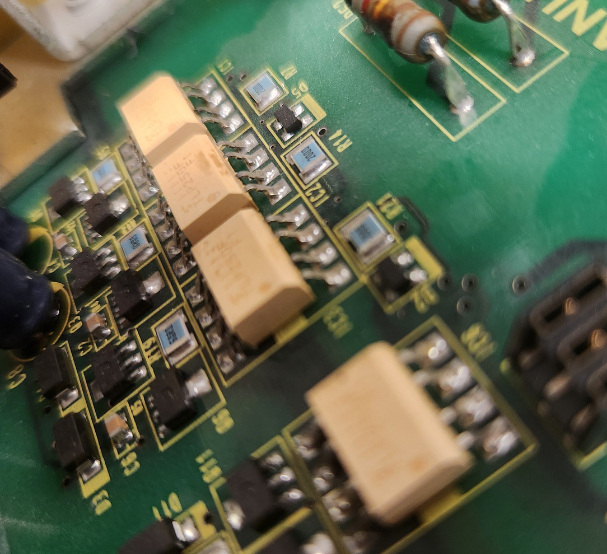
- Electronics. CNC machining has become indispensable when creating the miniature parts used in electronics. They produce printed circuit boards (PCBs), electronic enclosures, and intricate components such as connectors and heat sinks. These parts require precise milling, drilling, and engraving to accommodate complex electronic circuits in the smallest areas and ensure reliable performance and thermal management in devices.
- Woodworking. CNC routers and milling machines execute precise cutting and carving operations based on digital designs. They use high-speed rotating cutting tools, such as router bits and end mills, to remove material from wood surfaces with accuracy measured in thousandths of an inch. This allows for intricate details, complex shapes, and fine contours that would be challenging to achieve manually. CNC machines can reproduce identical parts with consistent precision, ensuring uniformity and quality in woodworking projects. This is especially beneficial for batch production of custom woodworking orders.
Fanuc CNC Machines Encompass Design Precision
Fanuc CNC machines are the cornerstone of modern manufacturing, enabling companies to create innovative designs. T.I.E. Industrial is your go-to supplier for the highest quality new and refurbished Fanuc replacement parts for your company’s CNC machines. Whether your industry is aerospace, automotive, or electronics, you can rely on T.I.E. Industrial to deliver the parts you need to keep your CNC machines working and producing throughout your operations. Contact us today to learn more about how CNC machining can revolutionize your production processes down to the smallest, most intricate component.
Was this helpful?
0 / 0