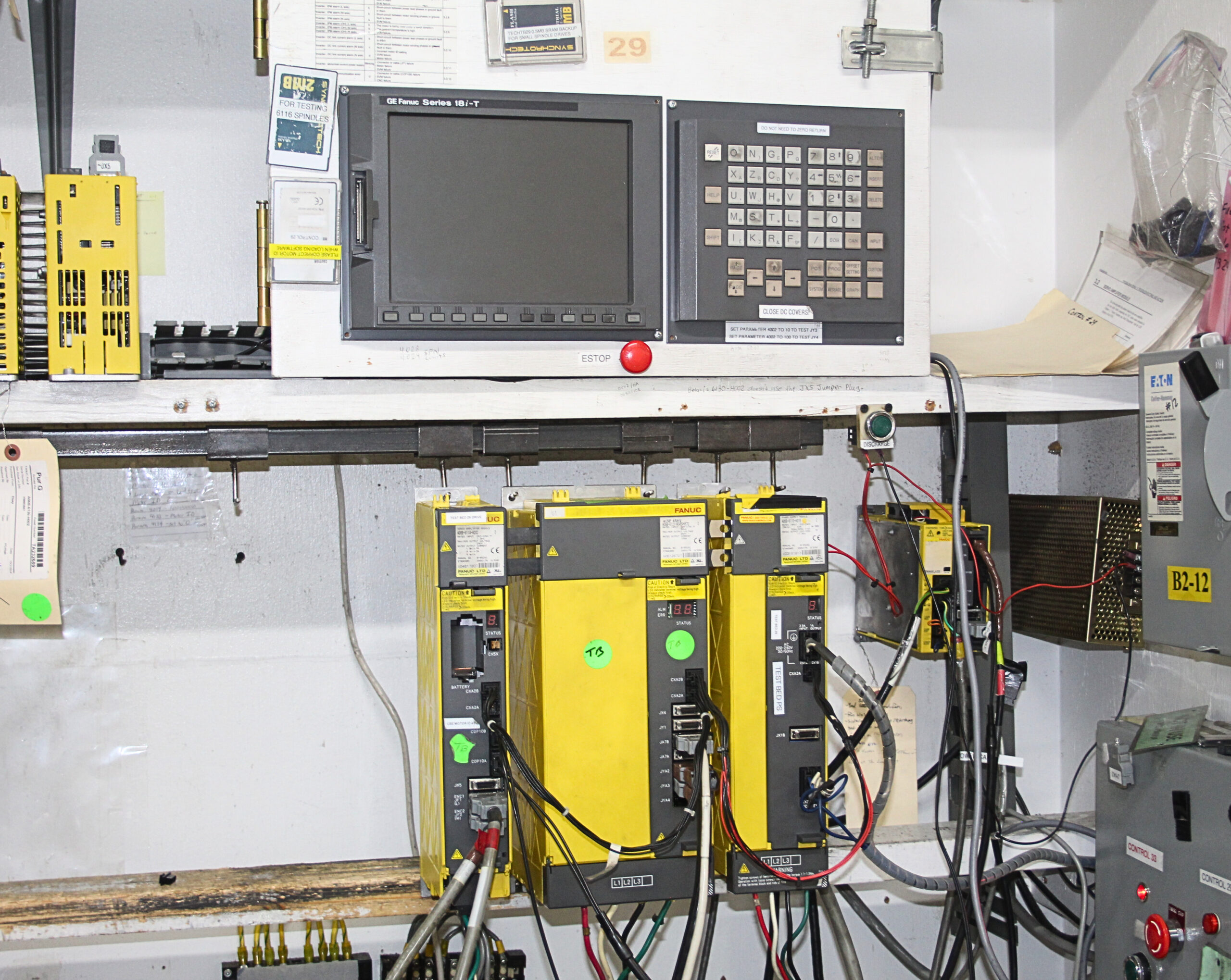
Manufacturers invest a sizeable portion of their operational budget into purchasing and maintaining high-quality equipment. Advancements in technology, such as the use of CNC machine systems, have transformed production expectations and goals. While CNC machines have been at the forefront of factory output, they are still mechanical equipment and must be maintained to ensure smooth operation and prevent unexpected, costly downtime.
Manufacturing decision-makers must create and execute a well-planned maintenance schedule to enhance production efficiency and extend the lifespan of this equipment investment. This article will provide practical tips for efficiently scheduling Fanuc CNC machine maintenance, including getting your team on board with best practices. These strategies will help you manage maintenance tasks effectively, ensuring your CNC machines and your team are always ready for action.
- Understand Your CNC Machine’s Maintenance Needs
Each CNC machine model has specific maintenance requirements. It is crucial to familiarize yourself with the maintenance schedule recommended by Fanuc by referring to their comprehensive manuals and maintenance guides to ensure your equipment runs at its best. They offer detailed procedures and maintenance intervals tailored to your machine’s unique needs. Operators can prevent unexpected issues, extend the life of equipment, and maintain peak performance.
- Create and Execute a Regular Maintenance Schedule
A regular maintenance schedule is essential for keeping your CNC machines in good working order. Consistent maintenance helps you catch minor issues before they become major problems. Make sure to include the following tasks in your maintenance schedule: daily checks for signs of wear and tear, ensure proper lubrication, and check for any unusual noises or vibrations; weekly maintenance should include cleaning the machine thoroughly, checking the coolant levels, and inspect the belts and filters; monthly maintenance requires more detailed inspection, including checking the alignment of the machine and ensuring all parts are functioning correctly; and annual maintenance for a complete machine calibration and replacement of worn-out parts.
- Train Your Staff
Getting your staff on board with a CNC maintenance schedule is essential for its success. Effective strategies include education and training to ensure that all team members understand the importance of regular maintenance, provide training sessions that highlight how proper upkeep prevents costly downtime and prolongs the life of the machines, and clearly communicate the maintenance schedule and its benefits by using team meetings, emails, notices, and other alerts to keep everyone informed and aware of their responsibilities. Involve your staff in the planning process. Seek their input on the schedule and listen to their suggestions. This inclusion can foster a sense of ownership and accountability. Provide easy access to all necessary tools, resources, and documentation to ensure staff have everything they need to perform maintenance tasks efficiently.
- Monitor Machine Performance
Regularly monitoring the performance of your CNC machines can help you identify potential issues early. Use the machine’s built-in diagnostic tools to track performance metrics such as spindle speed, spindle load, feed rate, vibration levels, temperature, and power consumption. If you notice deviations from normal operating parameters, promptly investigate and address the issue.
- Keep a Maintenance Log
Maintaining a detailed log of all maintenance activities can help you track the performance of your CNC machines over time. Record all maintenance tasks, including the date, the technician who performed the work, and any replaced parts. This log can help you identify recurring issues and can help troubleshoot future issues.
- Schedule Maintenance During Downtime
To minimize the impact of maintenance on your operations, schedule maintenance tasks during periods of low production or planned downtime. Coordinate with your production schedule to find the best times for maintenance, such as during shift changes or weekends. This approach helps you keep machines running smoothly without interrupting production.
- Invest in Predictive Maintenance
Predictive maintenance uses data and analytics from machine sensors to predict when a machine is likely to fail. By investing in predictive maintenance tools, you can identify potential issues before they cause downtime. Predictive maintenance can help you plan maintenance activities more effectively, reducing the risk of unexpected breakdowns.
- Keep a Spare Parts Inventory
Having a stock of commonly used refurbished Fanuc parts can reduce downtime when a part needs replacement. For Fanuc CNC machines, this might include items like Fanuc servo motors (A06B-0142-B177), Fanuc power supplies (A16B-1212-0100), and Fanuc circuit boards (A20B-1000-0690). Keeping these parts on hand ensures that repairs can be done quickly, minimizing operational impact.
- Implement a Preventive Maintenance Program
Preventive maintenance involves performing regular, planned maintenance tasks to prevent equipment failure. By implementing a preventive maintenance program, you can reduce the risk of unexpected breakdowns and extend the life of your CNC machines. Some key preventive maintenance tasks include regularly cleaning and lubricating all moving parts to reduce wear and tear, inspecting critical components, such as belts, bearings, and seals, and periodically calibrating machines to ensure they operate within specified tolerances.
- Plan for Emergency Repairs
Despite the best planning, emergencies can still occur. Have a plan in place for emergency repairs. This should include T.I.E. Industrial technicians who can provide quick support. For Fanuc CNC machines, having access to a supplier who stocks a wide range of Fanuc parts, such as the Fanuc A06B-6114-H206 servo amplifier or the Fanuc A20B-2100-0010 circuit board, can be invaluable.
Maximize Efficiency and Minimize Downtime with Effective CNC Maintenance Scheduling
Efficiently scheduling CNC maintenance is crucial for operating CNC machines and ensuring longevity. Following these tips, you can keep your CNC machines running well and avoid costly breakdowns. Partnering with T.I.E. Industrial is critical to your company’s CNC machine maintenance strategy. Contact our team of CNC machine experts today to learn more about T.I.E. Industrial’s extensive inventory of refurbished Fanuc CNC machine replacement parts to keep your production lines running at their best.
Was this helpful?
0 / 0