Industrial robots work tirelessly on factory floors, and keeping them properly maintained is key to avoiding downtime. One of the most important maintenance tasks is lubrication. Having the right tools for greasing a robot ensures that grease is applied evenly, seals remain intact, and performance is not compromised.
This checklist lays out everything you should include in a comprehensive robot greasing kit, along with why each item matters.
In This Article
- 1. Grease Gun Kit
- 2. Robot-Specific Grease and Lubricants
- 3. Couplers and Pressure Fittings
- 4. Protective Safety Gear
- 5. Cleaning Supplies
- 6. Manufacturer-Specific Accessories
- 7. Digital Maintenance Records & Tools
- 8. Professional Support & Evaluation Services
- Frequently Asked Questions About Robot Greasing Tools
1. Grease Gun Kit
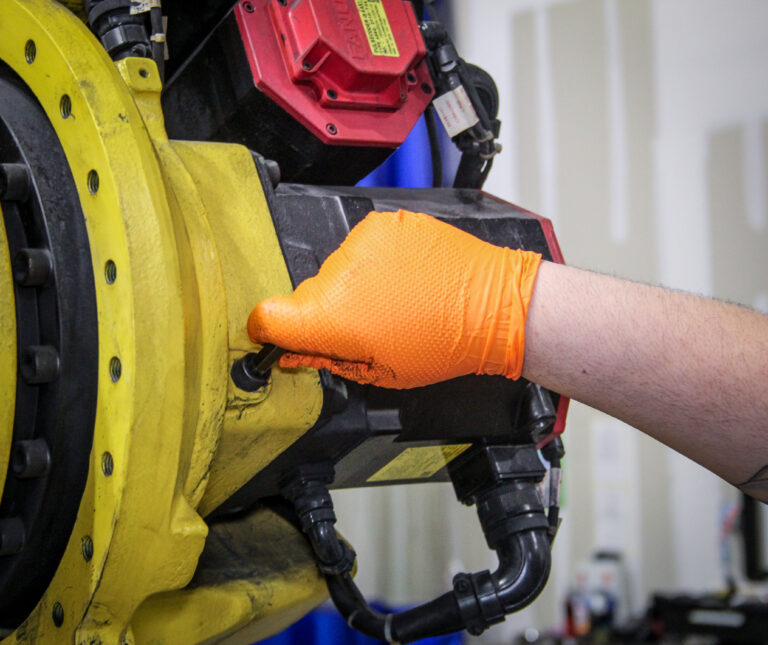
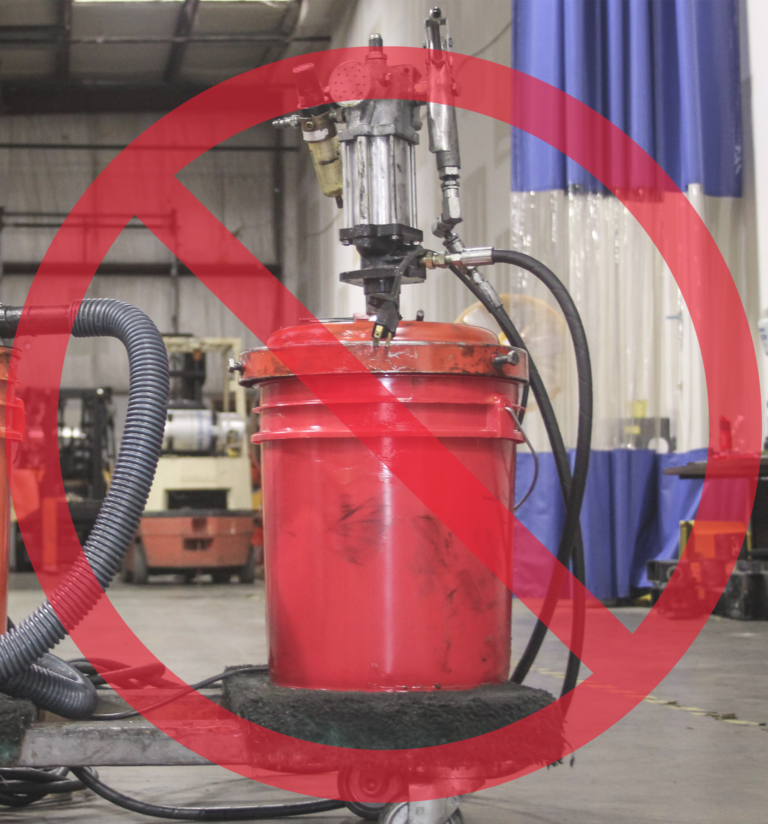
A grease gun kit is the backbone of any lubrication routine. Industrial-grade kits include the gun, flexible hoses, and adapters designed to handle the high-pressure requirements of robot joints. Precision delivery is crucial. Too little grease can accelerate wear, while too much can damage seals. Manufacturer-approved kits are pre-engineered for compatibility, which helps reduce risk and ensures consistent results.
2. Robot-Specific Grease and Lubricants
Generic lubricants won’t cut it when maintaining high-performance robots. Using the wrong type of robot grease can lead to increased friction, higher operating temperatures, and even part failure. Always keep robot grease and lubricants that match OEM specifications. Each robot brand recommends specific products designed to protect gears and bearings under heavy loads. Stocking the correct lubricants ensures smoother operation and longer service intervals.
3. Couplers and Pressure Fittings
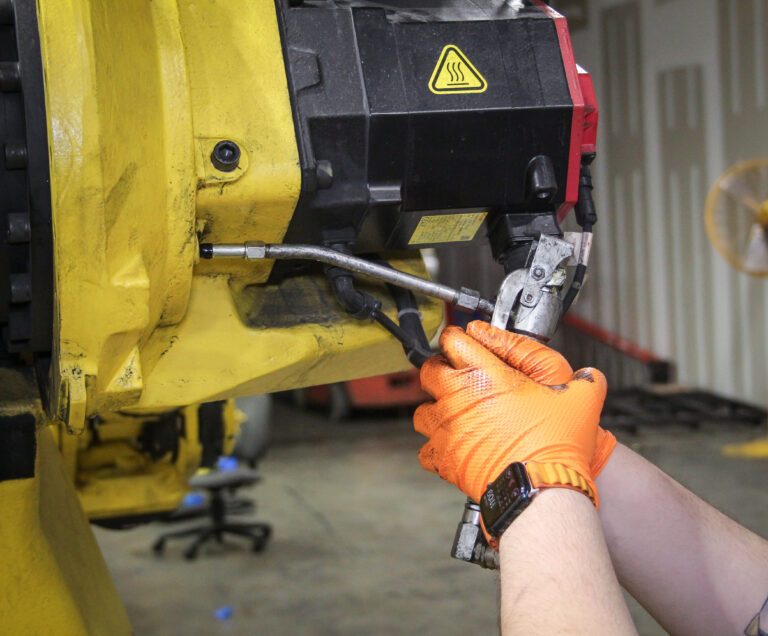
Couplers and fittings may be small, but they are critical robot lubrication tools. These attachments create a secure seal between the grease gun and the robot’s grease ports, allowing lubricant to flow under proper pressure. Without the right fitting, grease can leak, air pockets can form, or ports can become damaged. A well-stocked kit should include multiple fitting sizes and types to match different robot models.
4. Protective Safety Gear
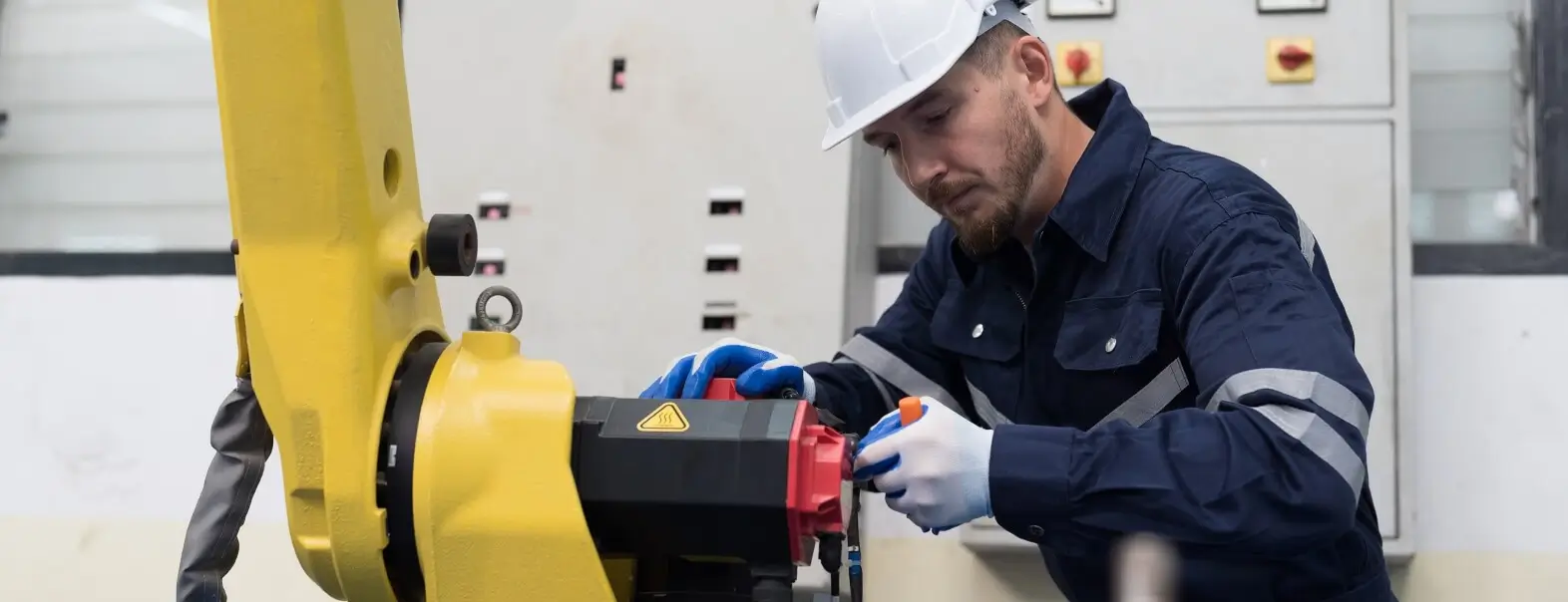
Robot maintenance isn’t just about the machine. It’s also about protecting the technician. Gloves, protective eyewear, and clothing safeguard against high-pressure grease discharge and chemical exposure. Grease can be messy, and under pressure, it can inject into the skin, making safety gear a non-negotiable part of your robot greasing tools collection. Adding spill-absorbent pads or mats to your kit also helps keep the work area safe and clean.
5. Cleaning Supplies
Before introducing fresh grease, fittings and ports must be free of dust, old lubricant, and debris. Contaminants can significantly shorten the life of bearings and seals. Stocking lint-free wipes, shop towels, and mild cleaning solvents ensures you’re applying grease to clean surfaces. Think of cleaning supplies as part of your lubrication tools and equipment. They directly impact the effectiveness of the rest of your kit.
6. Manufacturer-Specific Accessories
Every brand has its quirks. For example, Fanuc robot parts include specialized fittings and adapters engineered to match the brand’s unique design. These accessories ensure grease is delivered precisely where it’s needed. While generic tools may seem more flexible, they often fail to match the accuracy required for advanced robotic systems. Investing in manufacturer-specific gear keeps your lubrication process aligned with OEM standards.
7. Digital Maintenance Records & Tools
Lubrication is not a “one-and-done” task. Digital logbooks or CMMS (computerized maintenance management systems) help track greasing schedules, volumes used, and any irregularities observed. Pairing physical robot lubrication tools with digital tracking ensures no maintenance cycle is missed. This is particularly important for facilities managing fleets of robots, where missed lubrication can quickly translate to lost productivity.
8. Professional Support & Evaluation Services
Sometimes the best tool is access to expert support. Partnering with professional service providers or keeping evaluation kits on hand allows teams to troubleshoot lubrication issues more effectively. When considering upgrades, browsing through available Fanuc robots can also guide whether your current setup is efficient, or if newer models offer improved lubrication designs that reduce maintenance needs.
Frequently Asked Questions About Robot Greasing Tools
Maintaining robots can raise plenty of questions, especially when it comes to selecting and using the right tools. Below are answers to the most common questions engineers and floor managers ask about robot lubrication and maintenance.
How often should robots be greased?
Most manufacturers recommend lubrication based on operating hours, often every 3 to 6 months. Always follow your robot’s service manual for exact intervals – learn more about robot grease maintenance here.
How can I adjust my maintenance schedule based on environmental conditions?
Shorten inspection and replacement intervals if your robots operate in excessive temperatures, humidity, or dusty air. Harsh conditions wear out grease faster, so you’ll need to stay ahead of breakdowns.
Can I use standard industrial grease?
No. Robots require specific lubricants designed to withstand their operating loads and temperatures. Using non-approved grease can cause seal damage or gear failure.
What happens if I over-grease a robot joint?
Over-greasing can force seals to fail, causing leaks and contamination inside the gear housing. Precision application using the correct tools for greasing a robot avoids this issue.
What’s included in a complete robot greasing kit?
A typical kit includes a grease gun, hoses, couplers, fittings, brand-approved lubricants, cleaning supplies, and protective safety gear. Some advanced kits also include adapters tailored to specific robot brands.
Should I train staff on using robot lubrication tools?
Yes. Even the best lubrication tools and equipment can’t prevent mistakes if staff aren’t trained. Many suppliers offer training resources that cover proper technique, safety precautions, and maintenance schedules.
How do I know if my robot needs greasing?
Symptoms include unusual noises, increased vibration, or visible leakage at joints. Preventive maintenance using scheduled checklists avoids reaching this point
Take the Next Step with Fanuc-Approved Tools
Keeping your robots running at peak performance starts with having the right equipment. At Fanuc World, we provide OEM-approved tools for greasing a robot, including grease gun kits, robot grease and lubricants, and a complete inventory of Fanuc robot parts. If you’re exploring upgrades or replacements, browse our catalog of Fanuc robots to find solutions designed for durability and efficiency.
Don’t leave your maintenance program to chance. Build your kit with the right tools and extend the life of your automation systems.
Was this helpful?
0 / 0